
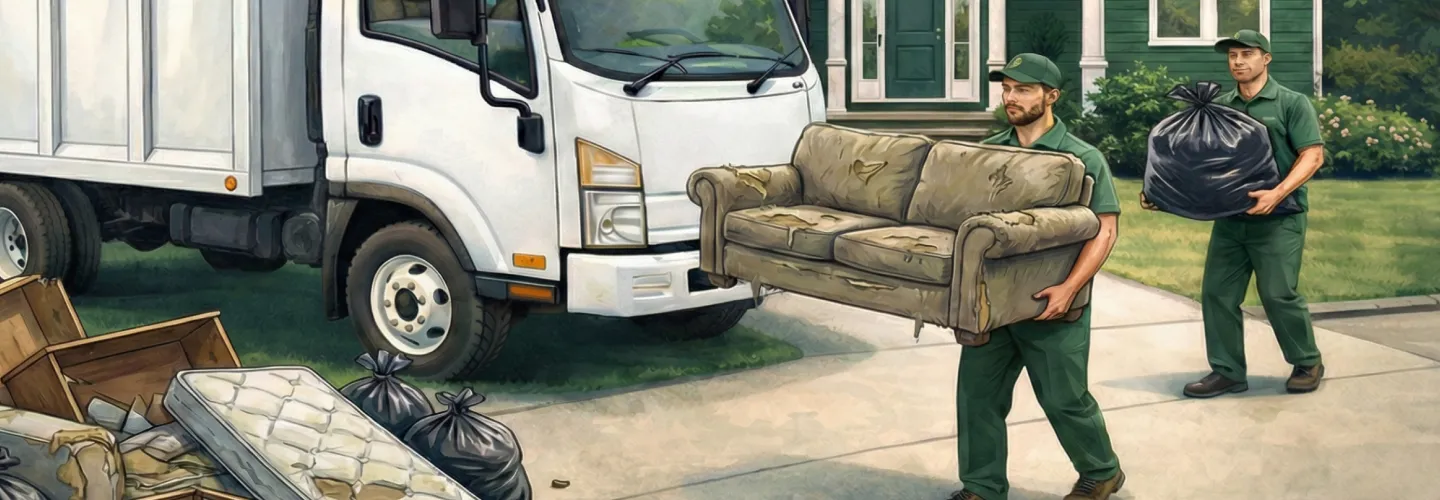
Somerville Construction Waste Management Services
Choose us for your construction waste management needs and experience hassle-free, eco-friendly disposal that keeps your project on schedule and your site compliant with local regulations.
Get a Free QuoteOur Somerville Junk Removal Services
Construction Waste Management in Somerville, MA – Local Service Guide
Construction waste management in Somerville, MA, requires a tailored approach for both residents and businesses. In neighborhoods like Davis Square and Winter Hill, residential items such as furniture, mattresses, and appliances are often replaced during spring cleanouts, moves, or after major renovations. Residents frequently donate usable items or schedule city-approved pickups, but larger items—like hot tubs or sheds—may need special handling due to narrow streets and unpredictable New England weather. For residential spaces, garage and basement cleanouts spike after storms or during fall yard cycles, especially in flood-prone areas near the Mystic River. Commercial sectors in Union Square and Assembly Row face unique challenges: restaurants and offices must coordinate discreet, timely pickups to avoid disrupting operations, while construction sites generate high volumes of debris requiring careful scheduling and compliance with local ordinances. Specialty services, such as dumpster rentals or estate cleanouts, are often needed for foreclosures or major property transitions, demanding advance planning and coordination with city guidelines. For all categories, understanding Somerville’s specific rules and leveraging local resources is essential. For more on local regulations, visit the City of Somerville’s official website.
Key Considerations for Construction Waste Management in Somerville
- Timing pickups around street access and weather conditions
- Securing necessary permits for large-scale disposals
- Using approved disposal and recycling channels
- Navigating tight urban spaces and limited curb access
- Coordinating with city schedules for specialty or high-volume items
Benefits of Construction Waste Management in Somerville
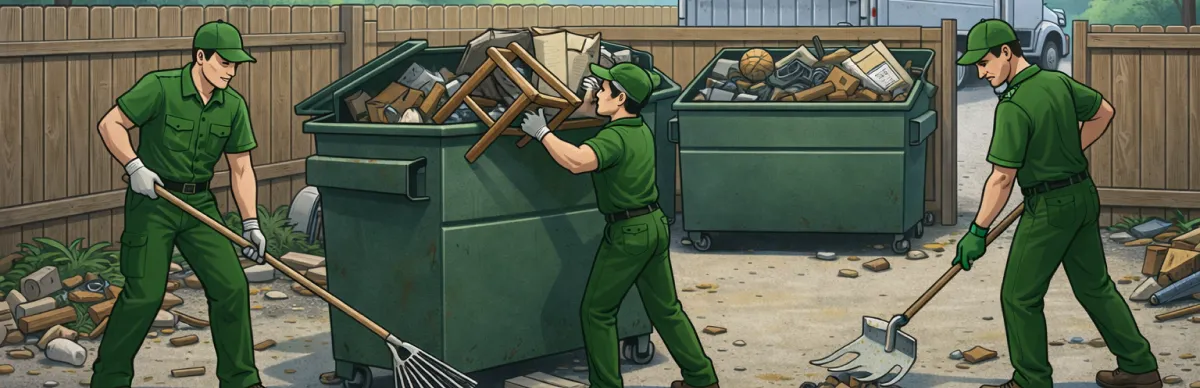
Efficient Waste Removal
Cost-Effective Solutions
Eco-Friendly Disposal
Regulatory Compliance
Improved Site Safety
Streamlined Project Timelines
Coordinating Construction Waste Disposal with Somerville’s Department of Public Works
Construction waste management in Somerville requires close coordination with the Department of Public Works (DPW), which oversees solid waste programs and enforces local disposal regulations. Contractors and property owners must adhere to city guidelines for debris removal, including scheduling bulk waste pickups and utilizing the city’s transfer station. Key requirements include:
- Scheduling construction debris drop-off at the DPW transfer station, open Monday–Saturday, 7:30 AM–3:30 PM (residential permit required)
- Paying disposal fees, typically $35 per ton with a $10 minimum charge
- Separating recyclable materials (wood, metal, concrete) from general waste
- Prohibiting disposal of hazardous materials (paints, solvents, asbestos)
- Ensuring all waste is placed curbside by 6:00 AM on collection day
Department of Public Works
93 Highland Avenue, Somerville, MA 02143
Phone: (617) 625-6600
Official Website: Department of Public Works
Failure to comply with these requirements may result in code violations or fines. Always consult the DPW for the latest schedules and accepted materials.
Understanding Somerville’s Construction Waste Recycling Mandates and Landfill Bans
Somerville enforces strict recycling mandates for construction and demolition (C&D) debris, in line with Massachusetts state law. The city requires separation and recycling of specific materials to reduce landfill use and promote sustainability. Important regulations include:
- Mandatory recycling of asphalt, brick, concrete, metal, and clean wood from C&D projects
- Landfill bans on electronics, appliances, tires, and yard waste
- Use of licensed recycling facilities for material recovery
- Documentation of recycling rates for large projects (over 100 tons of debris)
- Prohibition of mixing hazardous waste with general construction debris
For a comprehensive list of banned materials and recycling requirements, refer to the Massachusetts Department of Environmental Protection guidelines. Non-compliance can result in project delays, fines, or loss of permits. Contractors should maintain records of all recycling and disposal activities for inspection.
Permitting and Legal Requirements for Construction Debris Removal in Somerville
Proper permitting is essential for legal construction waste removal in Somerville. The city enforces regulations to ensure safe and compliant debris handling, especially for renovation and demolition projects. Key steps include:
- Obtaining a building permit for any structural work generating waste
- Securing right-of-way permits for removal trucks if blocking public streets
- Coordinating with the Building Department for historic district approvals
- Providing proof of commercial hauler licensing and insurance
- Scheduling debris removal within permitted construction hours (typically 7:00 AM–7:00 PM)
Building Department
93 Highland Avenue, Somerville, MA 02143
Phone: (617) 625-6600
Official Website: Building Department
Failure to obtain proper permits may result in stop-work orders or fines. Always verify requirements with city officials before beginning debris removal.
Safe Handling and Environmental Compliance for Hazardous Construction Materials
Handling hazardous materials during construction projects in Somerville requires strict adherence to safety and environmental regulations. The city and state mandate special procedures for materials such as lead paint, asbestos, and chemical waste. Essential compliance steps include:
- Conducting pre-renovation surveys for asbestos and lead in buildings constructed before 1980
- Using licensed abatement contractors for hazardous material removal
- Disposing of hazardous waste at designated facilities; never in regular trash or construction debris
- Following EPA Lead-Safe Renovation Rule protocols for dust control and worker safety
- Maintaining documentation of hazardous waste disposal for regulatory review
Massachusetts Department of Environmental Protection
Boston, MA
Phone: (617) 292-5500
Official Website: Massachusetts Department of Environmental Protection
Improper handling of hazardous materials can result in severe penalties and environmental harm. Always consult state and federal guidelines before beginning work.
What Neighborhoods Do We Serve Throughout Somerville, MA?
- Davis Square: Characterized by older multi-family homes and mixed-use buildings, Davis Square often presents challenges such as narrow streets and limited curbside access for debris removal. Construction projects here may require additional coordination for parking permits and off-hour scheduling.
- East Somerville: This neighborhood features a mix of single-family homes and small businesses. Many properties have limited driveway space, making transfer station drop-off and careful scheduling essential for efficient waste management.
- Union Square: With ongoing redevelopment and historic structures, Union Square projects must comply with both modern recycling mandates and historic district regulations. Contractors should anticipate additional permitting steps and material separation requirements.
- Winter Hill: Predominantly residential, Winter Hill includes older homes that may contain lead paint or asbestos. Safe handling and certified abatement are often necessary, and access for removal trucks can be restricted by street width.
- Magoun Square: This area’s dense housing and limited parking require precise scheduling for debris pickup. Multi-story buildings may necessitate extra labor for material handling and compliance with noise ordinances.
- Ten Hills: Featuring larger single-family homes and proximity to the Mystic River, Ten Hills projects must consider environmental protections, especially for stormwater runoff and prohibited materials.
- Assembly Square: As a commercial and retail hub, Assembly Square construction waste management often involves larger volumes and coordination with property management for loading dock access and recycling documentation.